Pursuant to the Save war that took place as a result of the sultanate struggles between Sencer and Mahmud (11th August 1119), Sencer had become the sultan of the Seljuk State, and he had left the western countries of the state to his nephew, Mahmud b. Muhammed. Therefore, a new branch of Seljuk dynasty laid foundation for the establishment of Iraq Seljuks State.
When Mahmud became the sultan of the state, he was at the age of 13-14. According to the understanding of reign in that period, his viziers and commanders had taught him how to meet and negotiate with his dominant leader and his uncle, Sencer in details.His Vizier and commanders who had convened to negotiate and determine the methods of meeting with Sencer who was Mahmud's uncle, they had resolved the following decision: The first point that was adopted in principle was that Mahmud would abstain from any attitudes that are considered as the symbol of sovereignty, and he would show that he was submissive to the domination of Sencer.
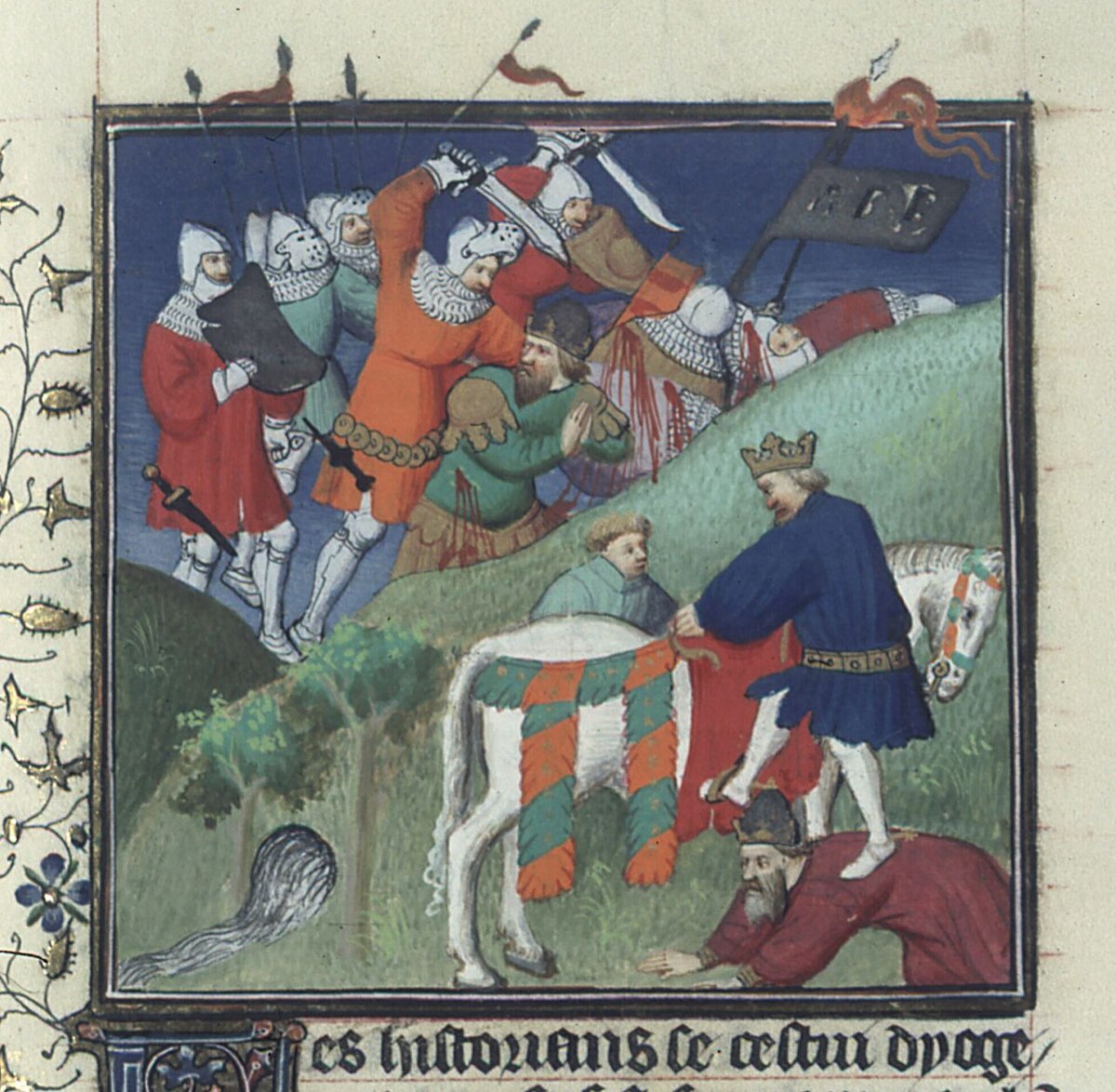
As per this general principle, Mahmud would get on the reserve horse of his uncle when he received Sultan Sencer. He would not use the colour of red that was the symbol of his sultanate, and he would use the colour of white-black that was the symbol of Sencer. As long as he stayed in the presence of Sultan Sencer, trumpets would not be blown in the name of Mahmud. When he entered the presence of his uncle, he would kiss the ground in salutation. When he was accepted for the presence, he would not sit down and he would stand on his feet. He would walk on foot next to the stirrup of Sencer's horse when advancing from the place of the reception ceremony towards the tent of Sencer. He would not stay in a separate tent, and he would stay in a tent that would be pitched next to the tent of his uncle and he would live in it like a son and harem of Sencer. According to the principles stated above, he would stay in the attendance of his uncle in order to attain "the approval and compassion of his uncle that had disappeared" for a period of twenty days.
His brother Mes'ud had become the ruler of Mosul, el-Cezire and Azerbaijan and Ay-Aba Cuyus (Cavush) Bey was his tutor. Ay-Aba Cuyus Bey had planned to provide the support of the other Turkmen troops and to declare his master as the ruler. As a result, Mes'ud and Cuyus Bey rebelled in the year of 1120. However, Mahmud's commander, Aksungur Borsuki defeated them within the environs of Esedabad. Mes'ud who was a little child then apologised and begged pardon. Any harm was not also given to Cuyus Bey.
In the course of the sultanate of Mahmud, the most dangerous region was the north-west, in other words, Erran and the Caucasus. Georgians under the dominion of David IV had some activities in this region. David IV had also gathered the Kipchak Turks in his army at the same time. Sultan Mahmud sent a Seljuk army upon Georgians. However, this Seljuk army was defeated by the Georgians and they retreated. The Georgians penetrated into Tbilisi (1121). Upon this terrible situation, Sultan Mahmud had to organise a military expedition in person (1123). But he returned empty-handed without any success against the Georgians.
Meanwhile, the Caliph Mustersid was trying to gain power in the political field and he organised some military forces. As a consequence, Mahmud set in motion against the caliph and he came to Baghdad. He besieged the eastern side of this city. Then, he defeated the caliph and forced him to conclude a state of peace (1126). Mahmud died at the age of twenty-seven in 1131.