Turkish Khanates
Uzbek Khanate (1428-1599)
Due to Uzbek Khan that was the ruler of the Golden Horde State between the years of 1312-1340, the Turks living in Uzbekistan today have been called with the name of "Uzbek". Uzbek Khan had been the person who disseminated and reinforces the religion of Islam in the region. Pursuant to the death of Tamburlaine (1405), the empire was on the verge of dissolution due to the start of disintegration. Uzbek people lived in a disorganised manner in the north of Aral Sea and Seyhun River. Uzbek people declared Ebul Hayr as the Khan in the city of Sibir (in Tura that is in the west of today's Tobolsk) in the year of 1428. Ebul Hayr was from the lineage of Siban (Seyban) who was Batu's brother. Therefore, Uzbek people are sometimes called as "Şibani, Şeybani or Şibanogullari people".
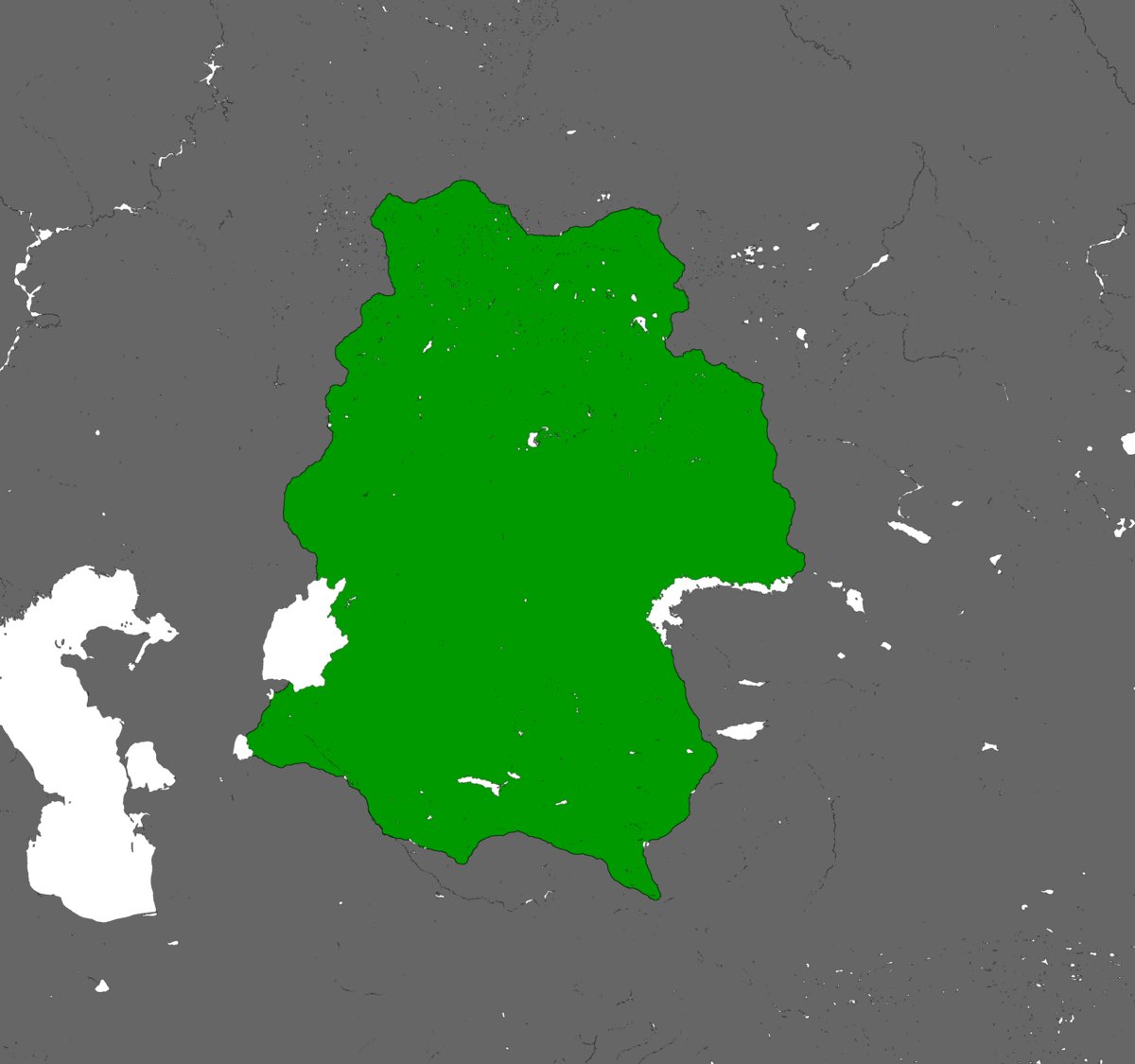
Ebul Hayr captured Harezm between the years of 1403-1431 and then, he captured the castles of Sığnak, Arkuk, Suzak, Akkurgan, and Ozkent on the coasts of Syr-Darya. He made Signak the centre of his region. He established dominion in the entire region extending towards Ozkent within the environs of Isik Lake.
When the country suffered from the attacks of Oyrat and Kalmuk people in the year of 1457, some conflicts and struggles came to existence. Upon this turmoil, some of the people (Kazakhs) withdrew to the side of Chagatai Khan, Esen Buga. Then, they settled in the eastern region of the country and they encountered with Khirghiz people here. Then, they were called as (Khirghiz-Kazakh people).
Ebul Hayr was defeated in a war that he had fought in order to subdue the Khirghiz-Kazakh people in the year of 1468 and he died in the same year. His son, Muhammed Şibanî Han was only seventeen in that period. He continued the fights. Although he had very few forces around him, he defeated Kazakh Barunduk Khan. However, he was defeated by the sons of Kazakh Canibek Khan. Since he had lost all of his forces, he got into the service of Chagatai Ruler, Mahmud Khan. He took some courses from Mevlana Muhammed Hıtayî who was one of the most famous scholars of the period. He became a scientist and a good poet. Some of his poems written in Turkish and Farsi languages have survived until nowadays.
In the year of 1487, Chagatai Ruler, Mahmud Khan gave th city of Turkestan to Muhammed Şibanî as a feoff (fief). Muhammed Şibanî who benefited from the struggles and conflicts among Timurogullari people captured Transoxania towards the year of 1500 and he declared his sovereignty.
Pursuant to the declaration of sovereignty by Muhammed Şibani, he organised successive military expeditions and he attained great success. In a war that took place in Akşi in the year of 1503, he defeated Chagatai Khan and the emir of Uighur Region. As a result of this victory, he captured the regions of Tashkent and Sayram. Pursuant to the death of Huseyin Baykara, he captured Harezm in the year of 1506 and the cities of Belh and Herat in the year of 1507. He also captured Transoxania, Ferghana, Khorasan and the Western Turkestan. However, he was defeated in the war that he fought against Safevi people in the year of 1510 and he died. Finally Abdullah Khan II ascended the throne in the year of 1560.
Abdullah Khan II had been in power for 38 years and his period was a glorious period for Uzbekistan. He was a poet. He had written his poems in Turkish, Farsi and Arabian languages. He had also protected the scholars.
When Abdullah Khan II was defeated by Safevi Ruler, Shah Abbas, the Uzbek Khanate underwent a terrible shock. Meanwhile, Abdullah Khan died (1598) and Khorasan was captured vy Safevi State. Khirghiz people invaded the city and the environs of Tashkent. Some other khanates were established in the other regions and Canogullari (Caniler) family established dominion in Uzbek Khanate.
The Turkish provinces that were divided into small khanates since the 16th century were exposed to Russian attacks and invasions. Between the years of 1860-1865, Russians started to penetrate into the central regions of Turkestan. After the year of 1868, Bokhara Khanate that replaced the Uzbek Khanate survived for a while as an autonomous entity. Finally, Russia divided these Turkish provinces in this region into small socialist republics in the year of 1924.
Uzbek Literature was called as Chagatai Literature until the beginning of the 20th century. It has been called as "Uzbek Literature" so far. It constitutes one of the rich sections of Turkish Literature. Uzbek people had equipped their country with Islamic works.