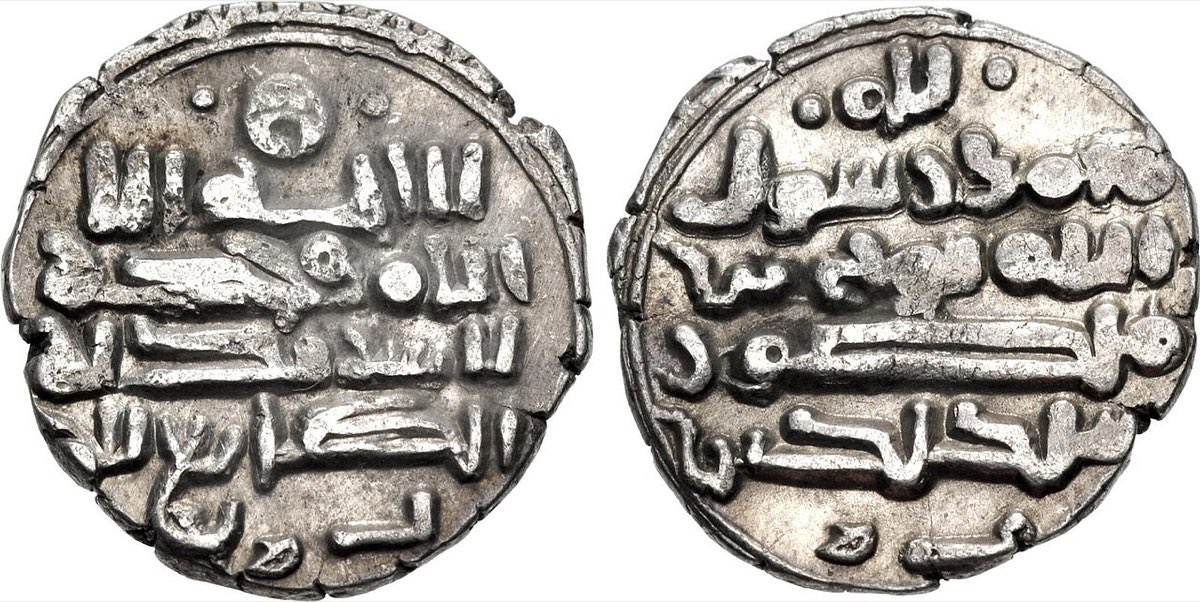
According to Pend-name that he had bequeathed to his son, Sebuktegin had been born in the region of Barshan on the coasts of Isik-lake that is located within the boundaries of Kyrgyzstan of today. He must have been from one of the tribes connected to Karluk Turks. Upon the enthronement of Sebuktegin as the ruler, the Gazneli State was under the administration of a dynasty in which reign was transferred from father to son. In other words, the domination pertained to a dynasty rather than the Turkish commanders that ruler the Gazneli State in the years of foundation. Although Sebuktegin pretended to act as a governor of Samani State, the foundation of the Gazneli State was laid and strengthened in his period. Before long, the power of Turks expanded from the city of Gazne towards the region of Zabulistan in the eastern Afghanistan. It is beyond doubt that the idol worship existed in the unsurmountable mountainous regions of Gur in the central Afghanistan between the 5th and 11th centuries. Sebuktegin married to a daughter of Zabulistan renegades and tried to attract the local beliefs in this region to his side. Sebuktegin must have perceived that the best method for the provision of security and maintenance of the state was to follow a dynamic policy of expansionism. As a matter of fact, when he came to power, he organised a military expedition to the city of Busr where Turkish ogre groups lived and he captured this city. At the same time, he also added the region of Kusdar in the north-east Belucistan to the lands of Gazneli State. He expanded his dominion towards Toharistan and Zemindaver and then oriented towards India. The lower Kabul valley that extended towards Lagan and Kabil was under the dominion of Vayhand Hindushahi rulers in the tenth century. These rulers were the obstacles in front of the dissemination of Islam towards the northern India. As a result, Hindushahi Rajah was defeated as a result of the severe wars in the region of Kabul-Lagman in nearly 986-7.
Sebuktegin was able to advance along the river of Kabul towards Peshaver and lay the foundation for the religion of Islam in those regions. We have observed that Sebuktegin had played an important role in the domestic policy of Samani State from that date on. Against the alliance of Ebu Ali Simcari and Faik who were Turkish commanders, the Samani emir Muh b. Mansur applied to Sebuktegin for help (994). Sebuktegin and his son, Mahmud came to Khorasan and defeated these renegades (995). As a result of this victory, Samani Emir entitled them with important titles and also assigned Mahmud as the commander of Khorasan armies. Sebuktegin died in the year of 997 after he had properly laid the foundation for the Gazneli State.