In the period of Anatolian Seljukian State, Karaman was known as Larende. One day a happy news arrived at Larende. Sultan of Scholars, Bahaeddin Veled, together with his son Mevlana Celaleddin, were going to Larende. The news spread everywhere in the city in a short time. Larende Governor Emir Musa welcomed together with notables Bahaeddin Veled and invited to his palace.
Bahaeddin Veled, who did not want to be a burden to anybody and who did not stay in any place other than a medresah, rejected Emir Musa's invitation. He requested that they showed a suitable medresah to him. Emir Musa ordered that a medresah be constructed for this reputed guest, whose name he had heard for years. They completed construction of the medresah in a short time. Bahaeddin Veled settled down in the Medresah together with his family.
In the meantime, Mevlana, as a young scholar, was attending his father's classes and reading and investigating all day and night. Serafeddin Lala, one of the special disciples of Bahaeddin Veled who migrated from Belh together with him and settled in Karaman, had a daughter named Gevher Hatun, who was unique in beauty and with the disposition of an angel. Bahaeddin Veled wanted this girl for his son Mevlana Celaleddin, and old Lala, being glad, accepted immediately. Those two were married with a humble wedding. Some time after this happy marriage, Mevlana Celaleddin had a son on 24 April 1226, they named him Sultan Veled.
The life of Sultan Veled, who was the founder of Mevlevi sect after Mevlana, a scholar and a poet, great Sufi, started in Karaman, and upon the invitation by Alaeddin Keykubad the 1st, the Seljukian Sultan, whole family went to become established in capital city Konya.
Sultan Veled was brought up in Konya, and completed his education there. There is great influence of his father Mevlana in his ideas and books. Sultan Veled, who won affection of close friends of his father, such as Sufi scholars Şems-i Tebrizi, Selahaddin-i Zerkubi, Çelebi Husamettin, was deeply loyal to those great personages and respected them very much.
So much that after Mevlana's death, he did not took his father's position himself, but found one of very close friends of his father, Çelebi Husamettin, appropriate for this position. When Çelebi Hüsamettin died in 1284, he took that position upon persistence of Mevlevi community, and established Mevlevi sect.
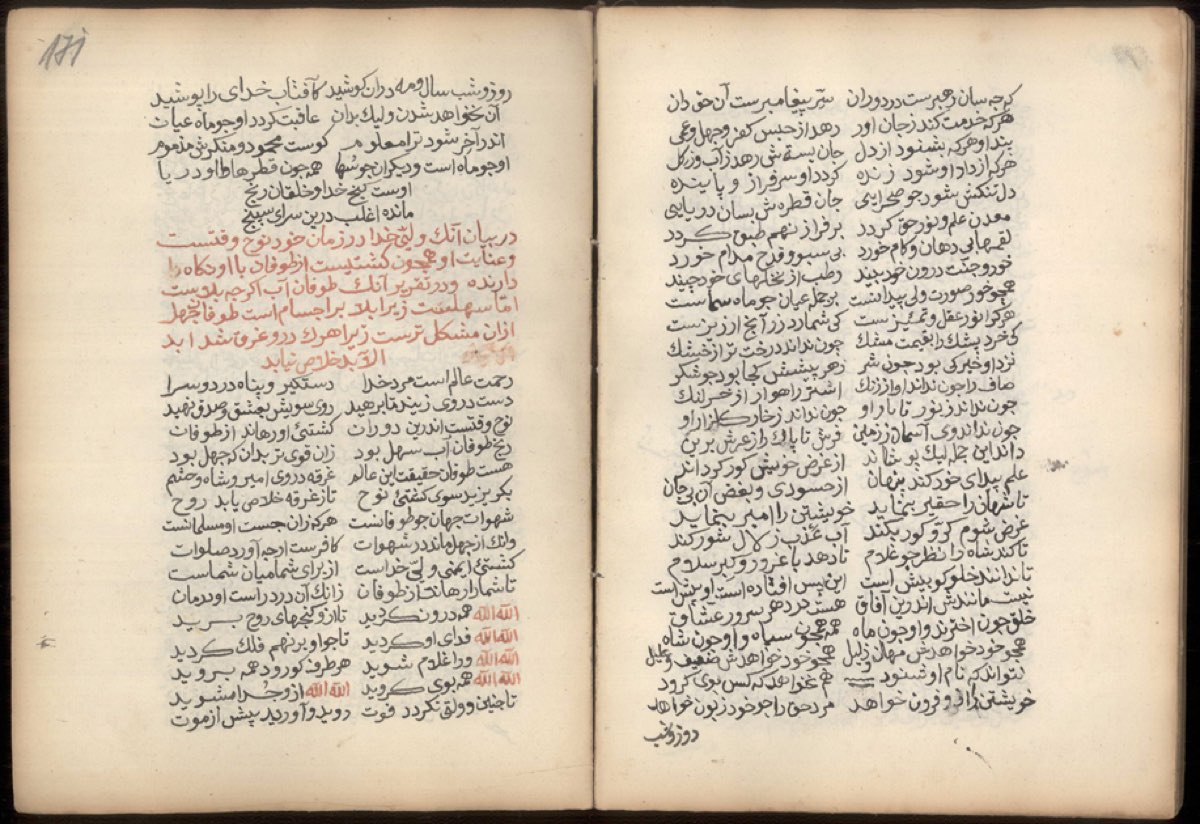
Sultan Veled represented Mevlana as a disciple spreading his ideas and promoting his works together with his son Ulu Arif Çelebi until his death, 1312. He was also respected and loved by the sultans and notables, and wrote most of his poems in Turkish in compliance with the Turkish-writing trend in Anatolia. He has four big books named İbtidaname, Rebabname, İntihaname and Maarif apart from Divan his eulogies and lyric poems. It is possible to find Mevlana style, ideas and thoughts in his books. Although Turkish poems by Sultan Veled does not involve the fluency, enthusiasm and clearness of Yunus Emre, his contemporary who held the same ideas, it has contributed much to the Turkish language trend in Anatolia. He speaks as follows in one of his Turkish poems:
Senin yüzün güneşdür yoksa aydır
Canım aldı gözün dahi ne aydır
Benim iki gözüm bil ki canımsın
Beni cansız koyasın sen bu keydür
* *
Gözümden çıkma kim bu yer senindir
Benim gözüm sana yahşi saraydır
Ne oktur bu ne ok kim değdi senden
Benim boynum süngüydü şimdi yaydır.
The book by Sultan Veled named İbtidaname is also called Sultan Veled Mesnevi. Veled mentions about Mevlana and his friends in his book and says in the introduction of his book: (My father preferred me to all of my brothers, his disciples and scholars saying you are the one most resembling me in disposition and manners. I tried to be similar to him. He spoke out poems, and made divans. I did made a divan like him. Then friends said you made a divan like Mevlana, you should also comply him in Mesnevi way too. I started this work in order to be similar to him)
Is you see, Sultan Veled followed his father, Mevlana Celaleddin-i Rumi's path all of his life, trying to resemble to him. On 11 November 1312 Saturday night, when he died when he was 86, his friends buried him to the right of his father. Today, the gold embellished coffin in Konya at the tomb of Mevlana, covers both Mevlana and Sultan Veled.
Sultan Veled has always kept his distinguished position among the stars of thought in Anatolia and gained much importance in Mevlevi history as an organizer reproducing Mevlana's books, spreading his ideas, and gathering Mevlana lovers in Anatolia together in groups.